704-BLOSSOM

We Do Not Handle Chapter 13 Bankruptcy Matters
Fall 2026 Winner of the Caregiver Scholarship
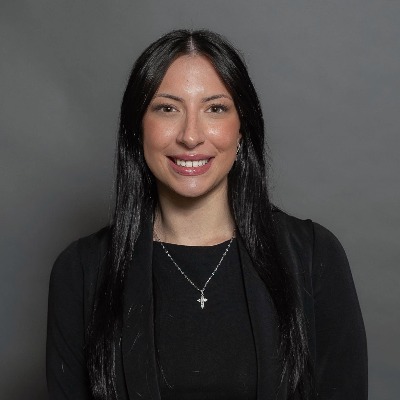
Zoe Angelina Micaela Soto
We are proud to name Zoe Angelina Micaela Soto the Fall 2026 winner of our Caregiver Scholarship! We are excited to follow her journey toward becoming a physician assistant and appreciate her commitment to treating every patient she serves with dignity.
Read Their Essay Here:
My mother was the type of woman who could build a mansion from dirt. She made very little stretch into everything my three siblings and I needed, always finding a way to hold our family together no matter how difficult life became. As a child, I did not fully understand the sacrifices she made or the weight she carried. To me, she was simply my mother, capable of fixing any problem that came our way.
That changed when her health began to decline from degenerative spine disease, eventually leaving her fully disabled. What started as helping with small tasks gradually became something much bigger. I did not have a name for it at first, but over time, I realized I had become one of her caregivers. That experience reshaped my priorities, my long-term goals, and the way I understand what it truly means to care for another person.
At first, my role was simple. I went to school like any other teenager, but when classes ended, my responsibilities at home began. I helped prepare meals, cleaned the house, and took on the tasks my mother could no longer manage because of her pain. As her condition worsened, I also became a caregiver for my two siblings with autism, stepping into whatever role my family needed.
Because of that, my childhood looked different from many of my peers'. Sports and extracurricular activities were rarely an option, not because I lacked interest, but because my family depended on me. Much of my time outside the classroom was spent helping at home and making sure everything stayed on track. I never wanted my mother to feel guilty for needing help, so I simply did what our family needed. Looking back, I realize those responsibilities taught me maturity, accountability, and grit long before I understood their value.
As my mother's disease progressed, my role grew with it. I drove her to medical appointments, kept track of her medications, and became her advocate on the days when pain and fatigue took over. Through these experiences, I came to understand that chronic illness is more than a diagnosis. It is the weight of daily challenges that people often overlook.
I also learned that caregiving is often found in the little things. I would bring home her favorite candies or put on episodes of Law and Order to make the house feel a little more normal. I simply wanted to help her feel like herself again.
Watching my mother transition from being the caregiver in our family to needing care herself was one of the hardest parts of growing up. There were painful moments, especially seeing her frustrated by things she once loved but could no longer do, like curling her hair or baking her famous coconut cupcakes. But there were also small moments of comfort, when something I did made her feel more at ease or helped her rest a little easier. Those moments taught me that compassion is rarely found in grand gestures. Instead, it is found in simply showing up, day after day, for the people who need you.
Being a caregiver changed my priorities and redefined what success means to me. I came to understand that health and stability are the foundation of everything else in life, and without them, everything else comes second. In that context, I learned that showing up for someone can matter more than any achievement. Most importantly, responsibility is not always something we choose; sometimes, it is something we grow into because the people we love need us.
I understand what it feels like when chronic pain becomes part of someone’s everyday life rather than just a medical problem. Those experiences shaped my long-term goals and inspired my path into healthcare. Working as a medical assistant and pursuing a career as a physician assistant have become deeply personal because of what I witnessed at home. I have seen how illness affects entire families and how important it is for healthcare providers to listen to and act on their patients’ concerns.
Caregiving taught me that healing extends beyond medicine. It means preserving a person’s dignity, recognizing the sacrifices of family members, and understanding that a diagnosis reshapes daily life within the household. This perspective has carried into my work in hospice and assisted living, where I have learned that care is not only about managing medical needs, but also about patience, empathy, and preserving comfort in some of life’s most difficult moments.
Today, my mother's health is more stable, and our relationship has come full circle. As I have grown older and continue training to become a physician assistant, I have come to appreciate not only the care I gave her, but also the countless ways she cared for our family despite her own struggles. I have learned that even the hardest seasons of life are not permanent, but the impacts they leave behind are forever. My mother’s strength helped hold our household together, especially as I also stepped into a caregiving role for my siblings. Those experiences changed how I view hardship, responsibility, and love. As a future physician assistant, I hope to carry forward the same patience, dignity, and understanding my family once relied on, extending those lessons to every patient and family I care for.


From our office in Charlotte, we serve clients throughout Mecklenburg County, Union County, and Gaston County, including Concord, Gastonia, Huntersville, Belmont, Davidson, Cornelius, Harrisburg, Matthews, Monroe, Fairview, Stanley, and Bessemer City, as well as other communities across North Carolina.
126 N McDowell St 2nd Floor, Charlotte, NC 28204
704-256-7766